How to Choose the Right Cookware for Your Kitchen
Great cooking starts with the right foundation, and that means reliable cookware. The pots and pans you choose significantly impact meal prep speed, cooking results, and even cleanup. With so many options (stainless steel, non-stick, cast iron, ceramic, copper!), finding your ideal set can be overwhelming. This guide simplifies the key factors, helping you select cookware that matches your cooking habits.
Material Matters Most. Each cookware material offers distinct advantages and drawbacks:
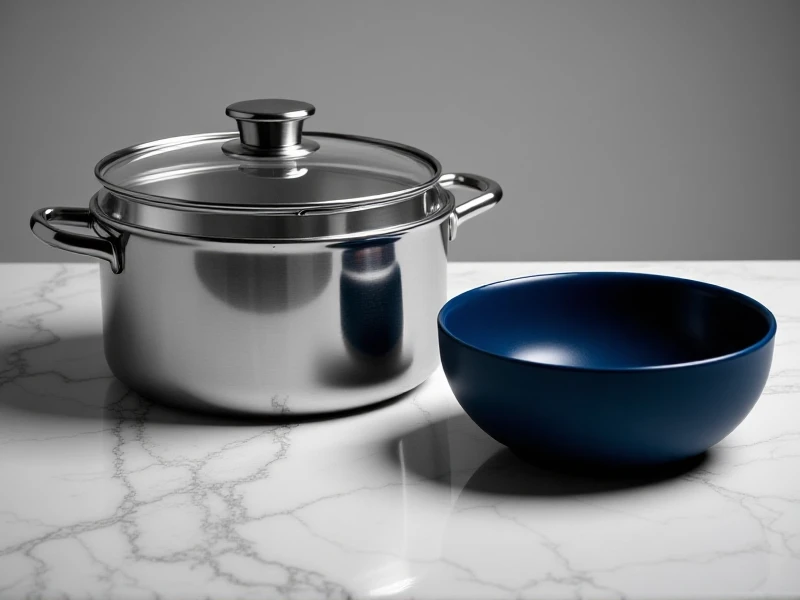
- Stainless Steel: Durable, non-reactive (won't alter food flavor), handsome, and often oven-safe. Excellent for searing and deglazing. Look for bonded bases (like aluminum or copper core) for even heat distribution. Pure stainless steel can be slow to heat and prone to hot spots otherwise.
- Non-Stick: Ideal for low-fat cooking, delicate foods (eggs, fish), and effortless cleaning. While convenient, traditional coatings can scratch easily and may not last as long as other materials. Higher-end ceramic non-stick options offer increased durability but may still wear over heavy use.
- Cast Iron: Prized for its exceptional heat retention and ability to create a perfect sear. Inexpensive, incredibly durable, and naturally non-stick when seasoned correctly. However, it's very heavy, requires specific care to prevent rust, and can react with acidic foods.
Consider Your Cooking Style. Are you a fast-paced weekday cook needing quick cleanup? Non-stick might be essential. Do you love slow braises, deep sears, and building flavor? Cast iron or enameled cast iron excels here. For versatile browning, simmering stocks, or making pan sauces, multi-clad stainless steel is a kitchen workhorse.
Choosing Your Essential Pieces. You don't need a massive set immediately. Most home cooks find a versatile 10-inch or 12-inch skillet (sloped sides) indispensable. Add a 3-quart saucepan with a lid (for sides, pasta, oatmeal) and a large 5-6 quart Dutch oven or stockpot (for soups, stews, boiling pasta). Frying pans (straight sides) are less common in home kitchens.
Investing in quality cookware pays dividends long-term through better cooking performance and durability. Prioritize pieces aligned with your most frequent cooking tasks. Understanding the properties of different materials empowers you to build your dream kitchen toolkit, one perfect pot or pan at a time. Choosing the right cookware transforms meal prep from a chore into a joy.